
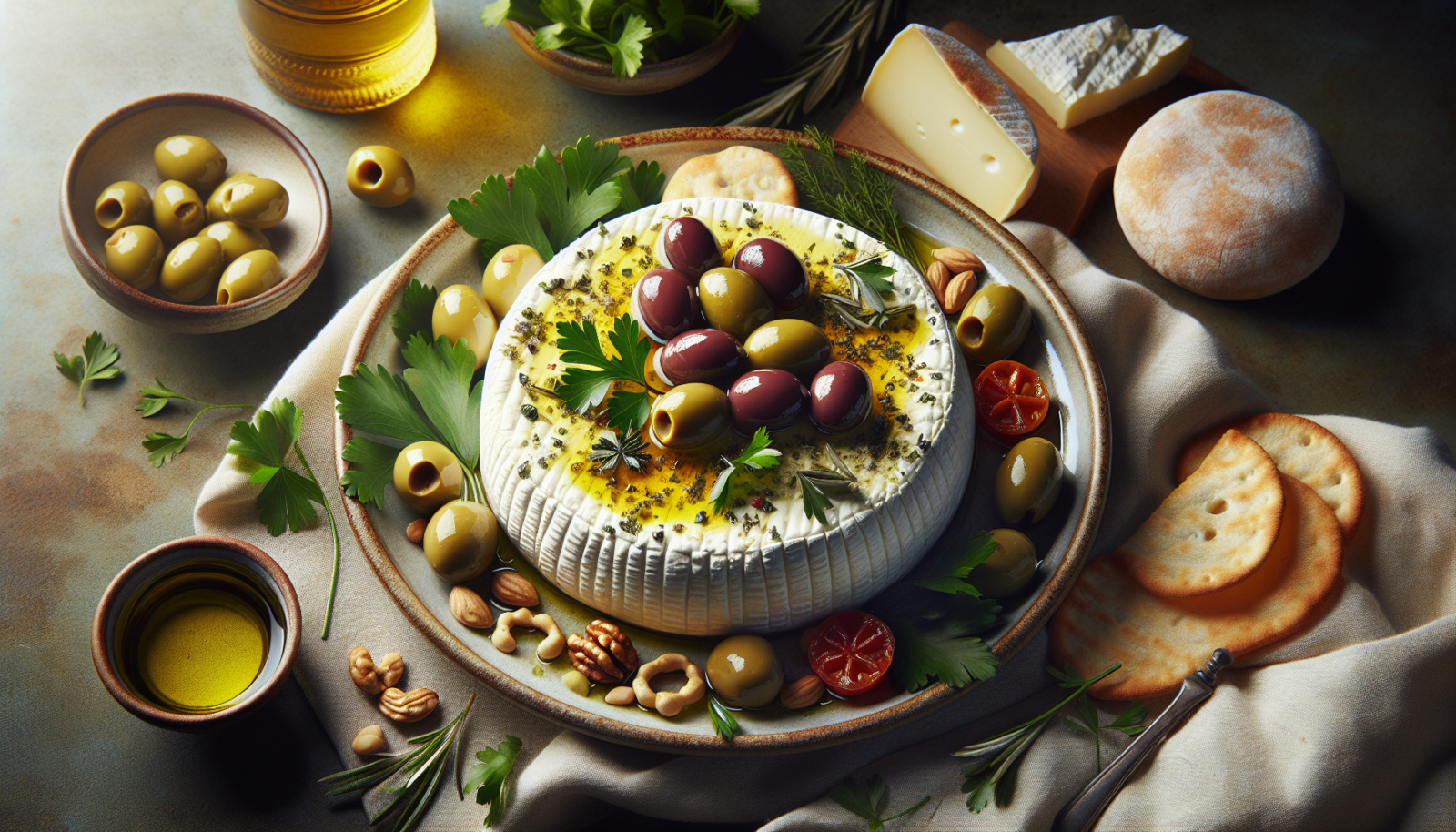
Brined cow’s milk cheese, known locally as جبنة عكاوي (Jibnat Akkawi), is a staple in Palestinian households, celebrated for its creamy texture and mild flavor. This cheese embodies the essence of Palestinian cuisine, often served at family gatherings, weddings, and festive occasions. With its enticing aroma and subtly salty taste, it pairs beautifully with fresh bread, olives, and seasonal vegetables, making it a beloved component of any mezze platter.
The origins of brined cheese can be traced back centuries in the Levant region, where dairy farming has been an integral part of the agricultural landscape. In Palestine, this cheese reflects the rich pastoral traditions, passed down through generations. Traditionally made by local families, it has evolved from simple home recipes to being featured in modern culinary practices, showcasing the versatility of Palestinian flavors. Each family may have its own unique twist, often incorporating local herbs or spices.
What sets this brined cheese apart is its unique preparation method, where the curds are carefully crafted and aged in a saltwater brine. This technique not only enhances the cheese’s flavor but also prolongs its shelf life. The use of fresh cow’s milk contributes to its creamy consistency, making it an ideal addition to various dishes. Unlike other cheeses, its balance of saltiness and creaminess makes it a versatile ingredient that can be enjoyed both fresh and cooked.
The Must-Do’s
To ensure the authenticity of this dish, it is crucial to follow the steps of curdling the milk properly. The temperature should be monitored closely to achieve the right consistency. Pressing the curds is essential to remove excess whey, which affects the final texture. Additionally, allowing the cheese to marinate in brine enhances its flavor, making this step non-negotiable for achieving the desired taste.
Pro Tips
For a creamier texture, consider using whole milk instead of low-fat options. If you prefer a milder flavor, reduce the brining time. Experiment with herbs like thyme or za’atar in the brine for added depth. Avoid rushing the drying and pressing process, as it can lead to a crumbly texture. Lastly, always taste the cheese after it’s set to adjust the salt levels according to your preference.
Serving Suggestions
This delightful cheese shines when served alongside fresh pita bread, ripe tomatoes, and cucumber slices. It also complements grilled meats and can be crumbled over salads for a refreshing touch. Pair it with a drizzle of olive oil and a sprinkle of za’atar for a truly authentic experience.
Garnishing & Presentation
Traditionally, fresh herbs such as mint or parsley are used to garnish brined cheese, enhancing its visual appeal and flavor profile. Present the cheese on a wooden board surrounded by olives and nuts for a rustic touch. Drizzling with a bit of olive oil before serving adds richness and highlights its creamy texture.
الطعام يقرّب القلوب (Al-ta‘am yaqarrib al-qulub)
Translation: ‘Food brings hearts closer.’ This saying reflects the communal nature of meals in Palestinian culture, emphasizing how sharing food fosters relationships and strengthens bonds among family and friends.
As I reflect on my childhood, I remember the joy of gathering around the table with family, sharing stories over plates of freshly made brined cheese. It’s a dish that carries memories of laughter and love, a testament to the warmth of Palestinian hospitality. Making this cheese is not just a culinary task; it’s an act of preserving culture and tradition, one delicious bite at a time.
Equipment Needed
- Large pot
- Colander
- Cheesecloth
- Heavy object for pressing
- Bowl
Cooking Techniques
Curdling
The process of adding acid to heated milk to separate curds from whey, essential for making cheese.
Pressing
Applying weight to the curds to remove excess moisture and shape the cheese.
Serving Suggestions
- Serve with fresh vegetables, olives, or as part of a mezze platter.
Garnish Suggestions
- Garnish with fresh mint or parsley for added flavor and color.